Table of Contents
- Iowa Home Selling
- Which Areas in Iowa Offer the Best Return on Investment and Are Easiest for Residential Property Development?
- What Home Styles, Sizes, and Features Tend to Sell Fastest in the Iowa Market?
- What Should Home Sellers Know About Zoning Laws, Permits, and Regulatory Requirements in Iowa?
- Which Towns or Cities in Iowa Are Easiest, and Hardest, When It Comes to Navigating Real Estate Regulations?
- What Are the Most Effective Flipping and Resale Strategies for Maximizing Profit in Iowa's Housing Market?
- How Should Sellers Price Their Homes to Attract Buyers While Maximizing Value in Iowa?
- Which Key Economic, Social, and Regulatory Factors Are Driving Current Trends in Iowa's Local Property Markets?
Iowa Home Selling

Iowa real estate continues to show significant promise for investors looking to break into local property markets. The Hawkeye State has a median home sale price of around $252,000 (as of October 2025), well below the national median of approximately $440,000. Compared to neighboring Minnesota, Nebraska, Illinois, and Missouri, homes in Iowa remain more accessible, which makes homeownership in the state within reach for many buyers.
Homes in Iowa are moving at a fairly quick pace, spending about 40 days on the market, which is faster than the national median of around 50 days. Earlier this year, Iowa REALTORS® reported listed homes selling at a blistering pace averaging just 12 days during the month of March. Since then, a jump in the number of homes for sale has slowed the market, though not nearly enough to meet demand.
As of October 2025, there were nearly 15,000 homes for sale in Iowa (+8% year over year). Despite the upward trend, inventory remains tight. With a 3-month supply of homes, Iowa is still a seller's market. Housing stock in the state saw modest growth in permits, with new construction activity lagging behind its share of the U.S. population. In 2024, Iowa had 12,544 new privately owned housing units authorized (62% of which were for single-family homes).
Despite some of the most affordable median sales prices in the country, Iowa's property tax impact is significant, with property taxes averaging 19.7% of total monthly housing costs. Homeowners face an average effective property tax rate of 1.43%, above the U.S. national median of around 0.82%.
In terms of foreclosures, Iowa ranked among the nation's highest foreclosure rates (as of October 2025). With one foreclosure for every 3,222 housing units, Iowa currently has the nation's seventh-highest foreclosure rate. This trend points to rising costs of ownership, slower wage growth, and a higher proportion of homeowners who increasingly feel financially strapped.
Which Areas in Iowa Offer the Best Return on Investment and Are Easiest for Residential Property Development?

Investing in the housing market in Iowa may offer opportunities for considerable returns for investors who successfully flip homes or build a long-term portfolio. However, not all Iowa cities offer the same return potential. That's why understanding the local investment environment within the Hawkeye State can help you make smart buying decisions and get the most out of each investment. The following locations in Iowa offer strong value propositions and may be better suited for real estate investments:
-
Des Moines: Des Moines is the state capital and Iowa's most populous city. A strong local economy, led by companies like Wells Fargo and Principal Financial, has expanded white-collar jobs in the area by more than 25% over the past 10 years, driving consistent housing demand. Neighborhoods like Beaverdale and East Village have yielded rental returns over 7%, beating several comparably sized Midwest housing markets.
-
Cedar Rapids: Cedar Rapids has grown into a manufacturing and tech hub with affordable housing and city-backed redevelopment incentives, especially in Wellington Heights. Revitalization projects and cultural tourism have turned the historic Czech Village and New Bohemia into hotspots for residential conversions.
-
Iowa City: Demand in Iowa City is anchored by the University of Iowa. With more than 31,000 students, the University generates consistent rental demand, especially in areas like Northside Marketplace and Manville Heights.
-
Ankeny: One of the fastest-growing suburbs in the state, Ankeny benefits from overflow demand from Des Moines, and has a high rate of new construction. This makes it a prime location for acquiring new builds and quick resales.
-
Davenport: Rental yields in Davenport can reach 7% as demand in this location is driven by a mix of local professionals, blue-collar workers, and St. Ambrose University students. In addition, Davenport's RiverVision Initiative draws tourists and new residents, supporting growth in residential and commercial investments in the local real estate market.
-
Ames: Home to Iowa State University and a thriving research and tech sector, Ames combines stable rental demand with moderate home price growth, especially in neighborhoods like Somerset and Northridge Heights.
-
North Liberty: Located between Iowa City and Cedar Rapids, North Liberty is part of the fast-growing I-380 corridor, attracting professionals and families with its high quality of life, new housing, and proximity to major employers.
-
Dubuque: The revitalized Millwork District and riverfront development efforts in Dubuque have enhanced the location's appeal for both renters and buyers, especially with its combination of historic architecture and modern amenities.
-
Coralville: Located just outside Iowa City, Coralville experiences demand from both commuters and university affiliates. Its active commercial and residential expansion makes it attractive for developers seeking a balance of affordability and appreciation potential.
-
Waukee: Waukee sees strong ROI prospects due to tight housing inventory, an expanding school district, and development of the Kettlestone mixed-use corridor, which drives residential interest.
What Home Styles, Sizes, and Features Tend to Sell Fastest in the Iowa Market?
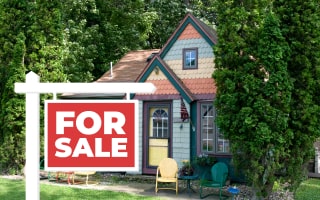
Homes in Iowa sell at a relatively fast pace, with a median days on market of around 40. In key metropolitan areas like Cedar Rapids, Des Moines, and Iowa City, homes may sell even faster, particularly during peak season (March-May). In high-demand suburbs, such as North Liberty, Waukee, and Ankeny, well-priced homes with modern updates often sell in under two weeks, especially during the spring and summer months. Note that homes in rural counties or older properties lacking upgrades tend to sit on the market for longer.
Homes that have the following features generally sell fastest in Iowa's local property markets:
-
![]() Bedrooms: Homes with 3-4 bedrooms tend to sell fastest, especially in suburban areas like Ankeny, Waukee, Urbandale, and North Liberty, where young families dominate the buyer pool. In college towns such as Ames and Iowa City, 2-3 bedroom homes and townhouses are also in high demand due to student and faculty housing needs.
Bedrooms: Homes with 3-4 bedrooms tend to sell fastest, especially in suburban areas like Ankeny, Waukee, Urbandale, and North Liberty, where young families dominate the buyer pool. In college towns such as Ames and Iowa City, 2-3 bedroom homes and townhouses are also in high demand due to student and faculty housing needs.
-
![]() Size and Lot: The sweet spot for quick sales in Iowa is around 1,500-2,200 square feet of living space on a 0.2- to 0.5-acre lot. In high-growth suburbs like Grimes and Bondurant, newer homes on mid-sized lots with fenced-in yards are particularly attractive. Oversized homes, those over 3,000 square feet or on large rural lots, may take longer to sell due to additional maintenance and utility costs.
Size and Lot: The sweet spot for quick sales in Iowa is around 1,500-2,200 square feet of living space on a 0.2- to 0.5-acre lot. In high-growth suburbs like Grimes and Bondurant, newer homes on mid-sized lots with fenced-in yards are particularly attractive. Oversized homes, those over 3,000 square feet or on large rural lots, may take longer to sell due to additional maintenance and utility costs.
-
![]() Style: Traditional architectural styles like ranch, split-level, and two-story Colonial homes dominate Iowa's housing stock and generally sell well across the state. However, ranch-style homes are in the highest demand due to their accessibility and aging-in-place appeal, especially in cities like Des Moines and Dubuque. In urban renewal zones like Cedar Rapids' New Bohemia District or Dubuque's Millwork District, modern farmhouse and industrial loft styles are also gaining popularity with younger buyers and investors.
Style: Traditional architectural styles like ranch, split-level, and two-story Colonial homes dominate Iowa's housing stock and generally sell well across the state. However, ranch-style homes are in the highest demand due to their accessibility and aging-in-place appeal, especially in cities like Des Moines and Dubuque. In urban renewal zones like Cedar Rapids' New Bohemia District or Dubuque's Millwork District, modern farmhouse and industrial loft styles are also gaining popularity with younger buyers and investors.
-
![]() Modern Upgrades: Homes that sell quickly in Iowa almost always feature modern upgrades, such as energy-efficient systems and renovated kitchens with stainless steel appliances and quartz countertops. In areas like Pella, Waukee, and Ankeny, buyers prioritize homes with open-concept layouts, vaulted ceilings, and smart home features.
Modern Upgrades: Homes that sell quickly in Iowa almost always feature modern upgrades, such as energy-efficient systems and renovated kitchens with stainless steel appliances and quartz countertops. In areas like Pella, Waukee, and Ankeny, buyers prioritize homes with open-concept layouts, vaulted ceilings, and smart home features.


What Should Home Sellers Know About Zoning Laws, Permits, and Regulatory Requirements in Iowa?
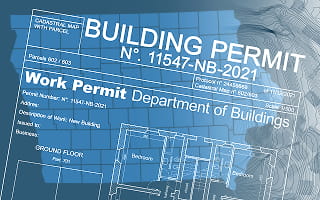
In Iowa, a property's value, development potential, and marketability are significantly influenced by local zoning laws and regulatory requirements. That's why owners, especially those looking to flip renovated properties or convert residential units, must be aware of the local rules and requirements for various land uses.
One important tool a seller or developer may use in demonstrating compliance with local zoning rules and other regulatory requirements is the zoning compliance letter. This letter is issued to verify that a property aligns with local zoning codes and confirms its zoning district. Flippers or sellers who obtain this letter can instill confidence in potential buyers and expedite closings.
The breakdown below shows Iowa jurisdictions, the level of zoning strictness, and some specific regulatory characteristics:
-
Jurisdictions with strict zoning laws: Cities like Iowa City, Des Moines, and Dubuque enforce highly detailed zoning rules, including overlay districts, setback requirements, and limits on multiunit conversions, making it crucial for sellers to understand permitted uses and past approvals. These strict requirements mean that even minor work may require zoning verification or permits.
-
Areas with less bureaucratic zoning laws: Communities like Waterloo, Council Bluffs, and Newton offer more manageable zoning processes with less bureaucracy. Routine residential renovations, garage additions, or small accessory units may qualify for approval by right, often without the need for public hearings or variance applications.
-
Jurisdictions requiring a special permit via public hearing and approval from the zoning board: Some cities, such as West Des Moines, Coralville, and Urbandale, routinely require a public hearing and formal approval from the local board of adjustment when a property's use varies from its standard zoning. Examples include converting a single-family home to a small multiunit property or establishing a home-based business. These special-use permits typically take 30-60 days and involve neighbor notification and formal application processes.
-
Areas where a Certificate of Occupancy is mandatory before legal occupation: Jurisdictions like Ankeny, Bettendorf, and Ames mandate a Certificate of Occupancy (CO) before a property can be legally occupied, whether following new construction or substantial remodeling. In places like Iowa City and Coralville, even if a change of use doesn't require a building permit, sellers must obtain a zoning compliance certificate or CO to ensure legal occupancy and avoid closing delays.
-
Areas where a historic commission requires approval for certain renovations and changes of appearance: Areas with strong architectural heritage, such as Dubuque's Millwork District and Cathedral District, Des Moines's Sherman Hill and River Bend neighborhoods, and Iowa City's Northside and Goosetown neighborhoods, are governed by historic preservation commissions. These bodies require approval for exterior renovations, material changes, and alterations to appearance. Sellers in these areas must comply with specific design guidelines, which can affect renovation costs and project timelines.
Which Towns or Cities in Iowa Are Easiest, and Hardest, When It Comes to Navigating Real Estate Regulations?

Developers and home sellers in the Iowa real estate market should be aware of local zoning codes, approval processes, and permit requirements. This is because these processes, laws, and requirements vary greatly by city and county and can significantly impact a property's marketability and resale value.
Development-Friendly Areas

These places offer more flexible zoning, predictable planning processes, and streamlined approvals, making them easier for property flips or development. Examples include:
- Waterloo: Waterloo permits many smaller-scale renovations or conversions by right, with little red tape.
- Council Bluffs: This city supports infill and adaptive reuse, and rezoning requests are typically processed efficiently by the city's Planning & Zoning division.
- Newton and certain Polk County suburbs like Grimes, Bondurant, and Marion: These locations also offer cooperative planning staff and developer-friendly zoning modifications.
Moderately Regulated Areas
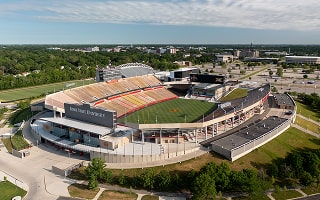
These markets enforce standard zoning and permitting requirements, which sometimes include board reviews or additional documentation. However, they generally support residential development. Examples include:
- Ames: The city requires COs for new builds and major remodels, and monitors student and rental housing conversions.
- Coralville: The municipal government supports growth, but Conditional Use Permits and design reviews are routine for multifamily or mixed-use proposals.
- Waukee and Ankeny: These fast-growing areas maintain development standards and incorporate infrastructure and school capacity considerations into approvals.
- Bettendorf: This Quad Cities community implements modern code compliance and CO requirements for both renovations and new builds.
Highly Restrictive or Bureaucratic Areas
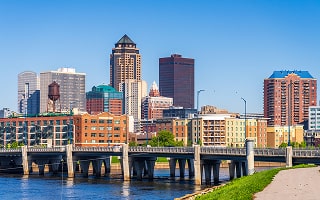
These cities often present lengthy approval timelines, historic overlays, and community resistance, making new development or renovation more complex and time-consuming. Examples include:
- Des Moines: Although the 2019 modernization of its zoning code aimed to reduce regulatory friction, many local developers still find its zoning laws and permit processes challenging.
- Iowa City: Iowa City applies multiple overlay zones, strict student-housing rules, and review steps that complicate conversions or higher-density proposals.
- Dubuque: Historic preservation zones and bluffland protections create legal constraints in redevelopment, especially in the Millwork and Cathedral Historic Districts.
- Urbandale and Clive: These areas tend to see resistance to high-density or multifamily housing, with formal planning board processes and strong citizen opposition.
- North Liberty: Growth in this city is increasingly met with local resident pushback and zoning adjustments that slow multifamily or affordable housing projects.
Regulatory Climate Factors

Across Iowa, local governments apply their own sets of real estate regulations and permit procedures, which can drastically influence the ease or difficulty of undertaking new development projects. Therefore, understanding which cities or counties maintain flexible development policies, and which ones enforce more rigid or layered controls, is essential for budgeting, obtaining timely approvals, and avoiding unexpected regulatory hurdles.
Factor |
Impact on Development |
Where It's Found |
|---|---|---|
Zoning Flexibility |
Determines ease of land use |
Des Moines (East Village), Cedar Rapids (New Bohemia), and Waterloo |
Historic Preservation Laws |
Adds restrictions |
Iowa City (Northside), Dubuque (Millwork District), and Des Moines (Sherman Hill) |
Wetlands/Conservation |
Limits buildable land |
Johnson County, Linn County, and rural Scott County |
Inclusionary Zoning |
Requires affordable units |
Iowa City |
Building Code Enforcement |
Affects cost/speed |
West Des Moines, Coralville, and Bettendorf |
Local Politics/NIMBYism* |
Blocks or delays projects |
North Liberty, Urbandale, parts of Ankeny, and Clive |
*NIMBYism - Not in My Backyard
What Are the Most Effective Flipping and Resale Strategies for Maximizing Profit in Iowa's Housing Market?

The following strategies are effective in maximizing profit when reselling or flipping properties in the Iowa housing market:
-
![]()
Targeting Distressed or Foreclosed Homes: This strategy is one of the most reliable ways to ensure a profit in Iowa's flipping market. It advises buyers to purchase homes below market value by looking for properties in foreclosure, probate listings, or homes that have been neglected. These distressed assets, when found in appreciating neighborhoods like Des Moines or Cedar Rapids, often present significant upside for investors who renovate and resell them.
-
![]()
Focusing on Cosmetic or Light Renovations: Homes that only require cosmetic upgrades, such as new flooring, paint, light fixtures, and minor kitchen updates, tend to yield some of the fastest and most reliable returns in Iowa. These projects avoid permit-related delays and many holding costs since they don't require major structural repairs. Buyers in places like Ankeny or Waukee strongly prefer homes that are move-in ready, and light rehabs allow flippers to meet that demand while controlling renovation costs.
-
![]()
Using the 70% Rule: With this strategy, investors begin by determining the after-repair value (ARV) by comparing recently sold homes in the same neighborhood. To calculate the maximum offer price, they'll take 70% of the ARV before subtracting the renovation costs. This margin helps protect profits, even if resale value is lower than expected or rehab costs come in above the original estimate.
-
![]()
Partnering with Reliable Local Contractors and Agents: Establishing strong relationships with reputable local contractors and real estate agents can help ensure that an investor in the Iowa property market generates more consistent profits. This is because experienced contractors help keep renovations on budget and on schedule, while investor-savvy agents provide access to off-market deals and accurate comps. In Iowa's smaller towns, these local networks are often especially valuable when it comes to sourcing profitable flips.
-
![]()
Timing the Listing Strategically: In Iowa, homes tend to sell fastest between March and June, when demand peaks due to school calendars and more favorable weather. Therefore, listing a property during this time can attract multiple offers, sometimes within just a few days, especially in fast-moving markets like Des Moines and the Quad Cities. Planning your rehab schedule around this time frame increases the likelihood of a quick sale and minimizes holding costs.
-
![]()
Pricing Aggressively and Leveraging MLS Exposure: To generate strong buyer interest, a seller may price their property slightly below the upper limit of the estimated market value, especially if recent comps have sold quickly. Flippers should also list on the Multiple Listing Service (MLS), which maximizes visibility and often attracts multiple buyers. In Iowa, competitively priced homes with updated features can spark bidding wars, which may significantly boost the final resale price.
-
![]()
Selling "As-Is" When Needed: In situations where full renovations aren't feasible, whether due to time constraints or limited capital, selling a home as-is to a cash buyer or institutional investor may be a viable option. These sales close quickly, sometimes in under two weeks, although the price is typically discounted. This approach is especially useful in rural Iowa or small towns where resale timelines are often slow or uncertain.
-
![]()
Leveraging the Rental Market for Holding Period Mitigation: When market conditions delay a profitable flip, converting the property into a short- or medium-term rental can help cover holding costs. Markets like Iowa City or Ames, with strong rental demand from students and young professionals, are especially well suited for this strategy.
-
![]()
Following the BRRRR (Buy, Rehab, Rent, Refinance, Repeat) Method: The BRRRR method is a long-term real estate investment strategy designed to build wealth and recurring cash flow by recycling capital through successive property deals. Because Iowa's housing market offers a low cost of entry, stable rental demand, and appreciation pockets in select metros and suburbs, investors can find distressed or undervalued homes in the $100,000-$180,000 range, rehab them for relatively low costs, and achieve solid rent-to-price ratios. Once a unit is rented, the property can be refinanced based on its new appraised value, returning much of the initial investment for reuse. The BRRRR method is ideal for local Iowa markets like Des Moines, Cedar Rapids, Waterloo, Cedar Falls, Davenport, and Iowa City.


How Should Sellers Price Their Homes to Attract Buyers While Maximizing Value in Iowa?

Investors pursuing quick sales while still maximizing profit in the Iowa housing market must price their properties correctly. In the Hawkeye State's stable and affordable real estate market, overpricing can lead to slower sales and lower sales prices. Similarly, underpricing may result in sellers accepting an offer below its true value. Therefore, sellers are always advised to work with a local real estate agent or certified appraiser who understands the local market and can analyze comparable properties, specifically active, pending, and recently sold listings within the past 90 days, to determine a competitive and strategic listing price.
The following are some common pricing strategies that may be effective across different parts of Iowa:
-
![]() Pricing Just Below Below Market Thresholds: This strategy involves listing a home just under a major price point. For instance, a seller may list a home for $299,900 instead of $300,000 to appear in more filtered online searches and create the perception of better value. It works best in locations like Cedar Rapids, Council Bluffs, Ankeny, and Waukee subdivisions.
Pricing Just Below Below Market Thresholds: This strategy involves listing a home just under a major price point. For instance, a seller may list a home for $299,900 instead of $300,000 to appear in more filtered online searches and create the perception of better value. It works best in locations like Cedar Rapids, Council Bluffs, Ankeny, and Waukee subdivisions.
-
![]() Pricing to Create a Bidding War: This technique prompts sellers to list properties slightly below market value to drum up buyer competition. It often results in multiple offers and sales above asking, especially when inventory is tight. This strategy works best in Iowa City, Bettendorf, and Des Moines, as these markets have strong seasonal or school-related demand. Hence, slightly underpriced listings attract serious buyers.
Pricing to Create a Bidding War: This technique prompts sellers to list properties slightly below market value to drum up buyer competition. It often results in multiple offers and sales above asking, especially when inventory is tight. This strategy works best in Iowa City, Bettendorf, and Des Moines, as these markets have strong seasonal or school-related demand. Hence, slightly underpriced listings attract serious buyers.
-
![]() High-Anchor Pricing: This strategy is often used in desirable areas like Beaverdale and East Village, where seller confidence is driven by strong seasonal demand and historic charm. Typically, the strategy recommends that sellers price homes at the top of the range to leave room for negotiation.
High-Anchor Pricing: This strategy is often used in desirable areas like Beaverdale and East Village, where seller confidence is driven by strong seasonal demand and historic charm. Typically, the strategy recommends that sellers price homes at the top of the range to leave room for negotiation.
-
![]() Price-Per-Square-Foot Benchmarking: This method involves pricing based on average dollar-per-square-foot metrics of similar homes in the area. It's often used when housing is uniform (e.g., subdivisions or condos). This pricing strategy is common in Somerset, Northridge Heights, new build areas in Ankeny and Waukee, and planned communities in Council Bluffs. This strategy works because in areas with similar layouts, sizes, and finishes, benchmarking helps buyers compare value logically. It also allows sellers to justify their asking price based on measurable features, which appeals to buyers who rely on financing, as well as investors.
Price-Per-Square-Foot Benchmarking: This method involves pricing based on average dollar-per-square-foot metrics of similar homes in the area. It's often used when housing is uniform (e.g., subdivisions or condos). This pricing strategy is common in Somerset, Northridge Heights, new build areas in Ankeny and Waukee, and planned communities in Council Bluffs. This strategy works because in areas with similar layouts, sizes, and finishes, benchmarking helps buyers compare value logically. It also allows sellers to justify their asking price based on measurable features, which appeals to buyers who rely on financing, as well as investors.
-
![]() Appraisal-Backed Pricing: This method recommends that sellers price a home close to its expected appraised value. This list price is typically set after consulting with a real estate agent or appraiser. Sellers should consider this strategy when buyers are financing with FHA, USDA, or VA loans. It works best in places like South Side Des Moines, Marshalltown, and Ottumwa, and for entry-level homes in Davenport and Waterloo. With buyers in these areas often relying on government-backed financing, overpricing risks contract fallout if the appraisal comes in low.
Appraisal-Backed Pricing: This method recommends that sellers price a home close to its expected appraised value. This list price is typically set after consulting with a real estate agent or appraiser. Sellers should consider this strategy when buyers are financing with FHA, USDA, or VA loans. It works best in places like South Side Des Moines, Marshalltown, and Ottumwa, and for entry-level homes in Davenport and Waterloo. With buyers in these areas often relying on government-backed financing, overpricing risks contract fallout if the appraisal comes in low.
-
![]() Net-to-Seller Pricing: In more value-conscious markets where buyers expect deals, sellers are advised to price smartly to avoid overnegotiation. One way to achieve this is by using the net-to-seller pricing approach. This approach calculates the listing price based on how much the seller wants to walk away with after closing costs, agent commissions, and potential concessions are deducted. The net-to-seller pricing method helps set realistic expectations, particularly for sellers downsizing, relocating, or under financial pressure. It works best in locations such as lower-demand rural towns, South Side Des Moines, Waterloo, and Mason City.
Net-to-Seller Pricing: In more value-conscious markets where buyers expect deals, sellers are advised to price smartly to avoid overnegotiation. One way to achieve this is by using the net-to-seller pricing approach. This approach calculates the listing price based on how much the seller wants to walk away with after closing costs, agent commissions, and potential concessions are deducted. The net-to-seller pricing method helps set realistic expectations, particularly for sellers downsizing, relocating, or under financial pressure. It works best in locations such as lower-demand rural towns, South Side Des Moines, Waterloo, and Mason City.
-
![]() Urgent Pricing: In places that generally have moderate or seasonal demand, using this method can help cut through market hesitancy and quickly attract bargain hunters or investors. If speed matters more than maximum profit, listing a home at a noticeable discount can attract immediate offers and allow sellers to close transactions quickly. The method is commonly used in circumstances where time is of the essence, such as job relocations, foreclosures, divorces, or estate sales. It works best in locations like Ottumwa, Fort Dodge, Ames, Waterloo, and Cedar Falls.
Urgent Pricing: In places that generally have moderate or seasonal demand, using this method can help cut through market hesitancy and quickly attract bargain hunters or investors. If speed matters more than maximum profit, listing a home at a noticeable discount can attract immediate offers and allow sellers to close transactions quickly. The method is commonly used in circumstances where time is of the essence, such as job relocations, foreclosures, divorces, or estate sales. It works best in locations like Ottumwa, Fort Dodge, Ames, Waterloo, and Cedar Falls.


Since the real estate landscape varies from one Iowa jurisdiction to another, sellers are advised to tailor their pricing approach to reflect both the features of the home and the local market environment. Note that applying the wrong pricing approach can result in lower profit margins, losses, or extended days on market.
To guide informed decisions, sellers should weigh current market trends alongside the strategies outlined in the table below:
Market Condition |
Best Strategy |
|---|---|
Seller's Market |
Underpricing for a bidding war |
Buyer's Market |
Charm pricing or net-to-seller |
Unique, luxury home |
High-anchor + value justification |
Entry-level home |
Just below threshold |
Urgent sale needed |
Aggressive urgency pricing |
Flipper or investor listing |
Appraisal-backed or price-per-square-foot |
Which Key Economic, Social, and Regulatory Factors Are Driving Current Trends in Iowa's Local Property Markets?

Current trends in Iowa's property markets are impacted by multiple factors, including the following:
![]() Economic Factors
Economic Factors
 Economic Factors
Iowa's property market is strongly influenced by its steady economic foundation. The state benefits from a diversified economy, driven by its agriculture, insurance, healthcare, and advanced manufacturing sectors. This helps keep unemployment low and contributes to the gradual rise in incomes. In recent quarters, wage growth has remained around 3%-4% annually, providing many homebuyers and renters with additional purchasing power. Despite national affordability challenges, Iowa remains one of the more accessible states for homeownership.
However, while demand remains healthy, supply has been tight. For example, in Des Moines, multifamily construction starts fell by 66% year over year in 2025, limiting new inventory and contributing to competitive conditions in the rental market.
![]() Demographic and Social Factors
Demographic and Social Factors
 Demographic and Social Factors
While the state has an aging population, key urban areas like Polk, Johnson, Linn, Dallas, and Scott counties continue to see steady in-migration, particularly among young professionals and students.
Per age distribution, millennials dominate the buyer pool as they continue to seek energy-efficient single-family homes and duplexes located near transit centers and amenities, with especially high demand in areas surrounding universities and healthcare hubs. Cities like Ames and Iowa City, in particular, also continue to attract both domestic and international students, creating ongoing demand for rentals and smaller residential units.
![]() Regulatory and Legal Framework
Regulatory and Legal Framework
 Regulatory and Legal Framework
Zoning and land-use regulations in Iowa are primarily controlled at the municipal level, leading to wide variations across jurisdictions. In Des Moines, Iowa City, and Cedar Rapids, local planning commissions impose density limits, design guidelines, and conditional-use approvals that shape the pace and style of residential development.
While Iowa does not have statewide rent control, recent changes such as Senate File 418 have reshaped housing discrimination protections, particularly by limiting municipalities' ability to enforce their own local anti-discrimination ordinances in rental housing.
![]() Taxation and Fiscal Policy
Taxation and Fiscal Policy
 Taxation and Fiscal Policy
Property taxes in Iowa are significant (1.43% annually on average), comprising roughly 20% of the average monthly housing payment, and placing the Hawkeye State among the most heavily taxed real estate markets in the country.
However, the state also offers several fiscal incentives to balance these costs. Programs like the Low-Income Housing Tax Credit (LIHTC) are active in cities such as Des Moines and Cedar Rapids, encouraging the development of affordable rental units. Additionally, the Iowa Economic Development Authority (IEDA) further supports real estate projects through MEGA credits and tax exemptions, incentivizing large-scale investment in housing and infrastructure development.
![]() Housing Policy and Government Programs
Housing Policy and Government Programs
 Housing Policy and Government Programs
Housing policy in Iowa is becoming more proactive in response to both economic changes and natural disasters. After recent severe weather events, such as the 2024 Greenfield tornado, the state introduced a Disaster Recovery Housing Assistance Program, providing funds to rebuild single-family and duplex homes in hard-hit counties.
Separately, municipalities like Des Moines are making strong moves toward revitalization. The city is considering a strategic redevelopment of approximately 300 blocks, involving targeted demolitions and new residential construction to reinvigorate underutilized land.
![]() Infrastructure and Development Trends
Infrastructure and Development Trends
 Infrastructure and Development Trends
Urban development in Iowa is increasingly shaped by a shift toward density and sustainability, leading to rising demand for mixed-use, walkable environments. A notable example is the 515 Walnut Tower project in downtown Des Moines, a 33-story skyscraper that includes 360 rental units, 39 of which are affordable.
Additionally, many metros are investing in improved transportation infrastructure, including bike lanes, pedestrian trails, and public transit extensions, which make certain neighborhoods more attractive to both residents and developers.
![]() Market Sentiment and Investor Behavior
Market Sentiment and Investor Behavior
 Market Sentiment and Investor Behavior
Investor behavior in Iowa is shaped by a mix of optimism and caution, which has created micro-markets of high appreciation but also raised affordability concerns. In many smaller towns, and 25 in particular that were identified in recent studies, prices are rising quickly due to out-of-town investors snapping up properties, often outpacing local income growth.
Still, investor strategies remain conservative and value-oriented. The BRRRR method remains popular in cities like Waterloo, Iowa City, Cedar Rapids, and Des Moines, where strong rental demand and low upfront costs allow investors to recycle capital efficiently.
Anyone looking to invest in the Iowa real estate market will find unique opportunities in the Hawkeye State to build their portfolio or potentially turn a good profit. Values of properties in the state have seen a steady increase in many local markets, including appreciation rates of around 4% in 2025 alone. Nevertheless, the key to success in the Iowa housing market lies in choosing the right locations, adopting smart pricing strategies, and navigating each area's unique regulatory environment.
Cities like Des Moines, Cedar Rapids, Iowa City, and Ankeny continue to stand out for their strong returns and growing populations, while towns such as Council Bluffs, North Liberty, and Waukee offer pro-growth policies that ease the path for residential development. Still, local differences in zoning laws, permit requirements, and historic preservation rules mean that investors and home sellers must do their homework to avoid costly delays or missed opportunities.
As with any real estate investment, developers and investors should align their strategies with the realities of the local market. Taking this step is critical to minimizing holding time, maximizing returns on investments, and building long-term value.
Table of Contents
- Iowa Home Selling
- Which Areas in Iowa Offer the Best Return on Investment and Are Easiest for Residential Property Development?
- What Home Styles, Sizes, and Features Tend to Sell Fastest in the Iowa Market?
- What Should Home Sellers Know About Zoning Laws, Permits, and Regulatory Requirements in Iowa?
- Which Towns or Cities in Iowa Are Easiest, and Hardest, When It Comes to Navigating Real Estate Regulations?
- What Are the Most Effective Flipping and Resale Strategies for Maximizing Profit in Iowa's Housing Market?
- How Should Sellers Price Their Homes to Attract Buyers While Maximizing Value in Iowa?
- Which Key Economic, Social, and Regulatory Factors Are Driving Current Trends in Iowa's Local Property Markets?